
Seeds of Empire: How Sevilla Became Europe’s First Greenhouse for American Plants
Close your eyes and imagine Italian cuisine without tomato sauce. Picture Irish history without the potato. Consider Belgian chocolate, Spanish paprika, or French tobacco. Now imagine a world where pumpkins never appeared in autumn markets, where vanilla never scented a pastry, where your morning began without coffee or chocolate. This wasn’t some alternate history—it was Europe before 1492.
The Columbian Exchange, that monumental swap of flora, fauna, and diseases between the Old and New Worlds, is often told through numbers: tons of silver shipped, percentages of populations lost. But perhaps its most intimate, enduring legacy is on our plates, in our gardens, and in our very landscapes. And at the heart of this botanical revolution stood an unexpected capital: Sevilla, Spain.
While galleons carried silver from the Americas, they returned with living treasure—seeds, tubers, cuttings, and nuts from a continent whose biodiversity was utterly alien to Europe. But these plants didn’t spread randomly. They needed a gateway, a laboratory, a nurturing first home. That home was Sevilla. Through a combination of royal mandate, scholarly curiosity, and perfect geography, this Andalusian city became Europe’s first greenhouse, botanical trial garden, and acclimatization center for American species.
This is the story of how Sevilla didn’t just pass along New World plants—it studied them, nurtured them, and in many cases, taught Europe how to use them. It’s the tale of the Huerto del Rey (The King’s Orchard), of pioneering naturalists who dissected tobacco leaves before anyone understood nicotine, and of how the flavors that define global cuisines today first took root in the soil beside the Guadalquivir.
The Green Gold – What Actually Arrived in Sevilla’s Ports
Before the silver fleets were fully organized, the first ships returning from the Caribbean and the American mainland carried something arguably more valuable in the long term: living plants. Spanish explorers, following royal instructions to document “all trees, fruits, and herbs,” sent back specimens to Sevilla, the only legal port of entry.
The Founding Staples: Plants that Rewrote History
- Maize (Zea mays): Arriving in the early 1500s, this towering grass with its strange “ears” was a curiosity. In Sevilla, it was first grown as a novel garden plant before its potential as a prolific grain for animal feed and, in times of scarcity, human consumption, was realized. It would later transform agriculture from the Balkans to Africa.
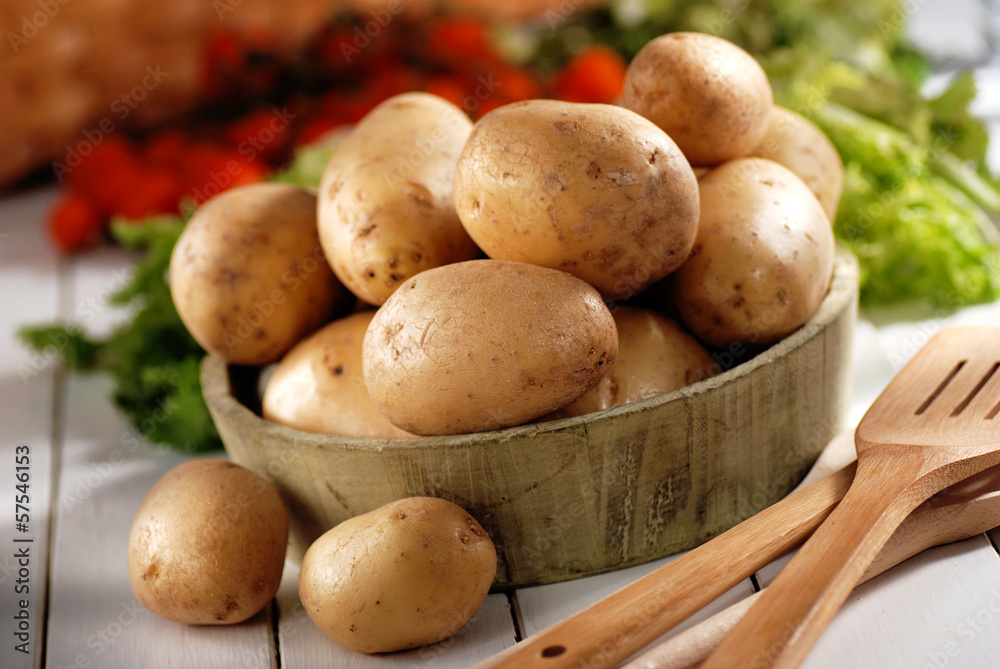
- The Potato (Solanum tuberosum): The first potatoes arrived from Peru in the 1560s. Initially distrusted (as a member of the nightshade family, it was thought to be poisonous), it was in the botanical gardens of Sevilla and surrounding monastic gardens where clerics and scholars first worked to understand its cultivation from “eyes” (seed potatoes). Its true conquest of Europe took centuries, but its journey began here.
- The Common Bean (Phaseolus vulgaris): Before 1492, Europe had only fava beans, lentils, and peas. The arrival of kidney, black, and pinto beans from the Americas provided a protein revolution. They were quickly adopted in Sevilla’s fertile huertas (market gardens) and became a staple of the Spanish diet, giving us dishes like fabada and judías verdes.
The Flavor Revolution: From Curiosity to Culinary Cornerstone
- The Tomato (Solanum lycopersicum): The “golden apple” or pomo d’oro arrived from Mexico as a small, yellow fruit. For decades in Europe, it was considered ornamental and possibly toxic. It was in the gardens of Sevilla and other Spanish cities where it was first cautiously cultivated for culinary experimentation. By the late 16th century, Spanish cooks were using it in sauces, a practice that would slowly migrate to Italy.
- Capsicum Peppers (Capsicum annuum & others): The source of both sweet bell peppers and spicy chilis arrived in a bewildering variety. In Sevilla, scholars like Nicolás Monardes documented their heat and uses. The mild, fleshy peppers thrived in the Andalusian climate, becoming the base for paprika (pimentón), while hotter varieties were dried and ground.
- Cacao (Theobroma cacao): The seeds of the cacao tree, used to make the bitter, frothy xocolātl drink of the Aztecs, arrived early. The Spanish court in Sevilla was among the first in Europe to sample it, sweetening it with cane sugar (another imported crop) and heating it, inventing the precursor to modern hot chocolate.
- Vanilla (Vanilla planifolia): The orchid pod with its unique fragrance was another Mexican gift. Its complex pollination requirements made it a puzzle for European growers for centuries, but its value as a flavoring was immediately recognized and studied in Sevillian apothecary shops.
The Cash Crops & Botanical Wonders
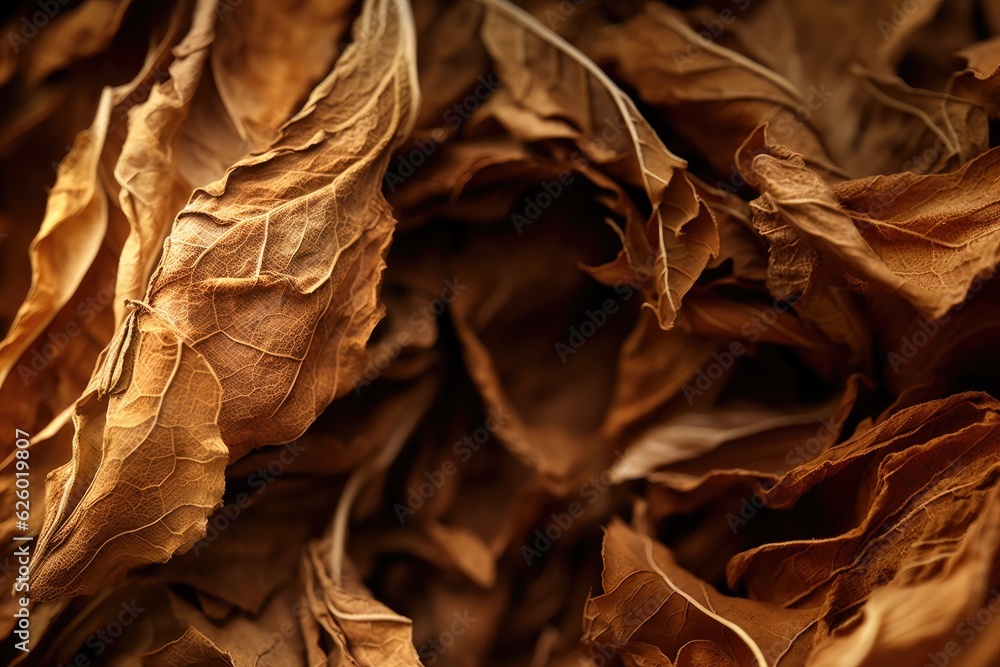
- Tobacco (Nicotiana tabacum): Perhaps the most impactful non-food plant. Its use as a medicinal herb and social intoxicant was documented by Sevillian physicians before it spread as a recreational commodity across the globe.
- Sunflower (Helianthus annuus): Brought from North America, it was first grown in Sevilla’s gardens for its stunning beauty—a floral symbol of the New World—before its oil-rich seeds were exploited centuries later.
- Pineapple (Ananas comosus): The ultimate exotic luxury. In the 16th century, growing a pineapple in Europe was a feat of engineering and wealth. The first successful cultivations in Spanish greenhouses (orangeries with heating) were monumental events, with the fruit symbolizing imperial power and horticultural mastery.
The Garden of the King – Sevilla’s Botanical Infrastructure
This influx of living treasure required a new kind of institution. Sevilla didn’t just receive plants; it built the infrastructure to manage them.
The Huerto del Rey (The King’s Orchard) and the Casa de la Contratación’s Garden
Adjacent to the Cathedral and the Alcázar, a walled garden was established, likely near the Patio de las Doncellas. This wasn’t a pleasure garden; it was a scientific and agricultural trial ground. Here, seeds from Veracruz and cuttings from Quito were planted. Gardeners observed their growth cycles, resistance to pests, and yields in the Andalusian climate. Successful plants were then propagated for distribution to other royal gardens and trusted monasteries. This garden was the primary acclimatization center for decades.
The Role of the Monasteries: The Iberian Botanical Network
Andalusian monasteries, particularly those of the Jesuits and the Cartuja (Charterhouse), became key nodes in this network. With their tradition of medicinal herb gardens (hortus medicus), disciplined record-keeping, and connections across Europe, monks were ideal experimental botanists. They received seeds from the Huerto del Rey, grew them, and shared successful results with their order’s chapters in Italy, France, and beyond. The Monastery of Santa María de las Cuevas in Sevilla (La Cartuja) was a central hub in this green web.
The Climate: Sevilla as a Mediterranean Greenhouse
Sevilla’s climate was a crucial asset. Its mild winters and long, hot summers provided a suitable environment for many Mesoamerican and Andean plants. While some species from tropical lowlands failed, those from the temperate altitudes of Mexico or the Andes found a familiar seasonality. The fertile soil of the Guadalquivir valley and the sophisticated Moorish irrigation systems still in use provided the necessary water and care.
The Men of Green Science – Sevilla’s Pioneering Naturalists
Behind every plant was a mind trying to understand it. Sevilla fostered Europe’s first community of American botany experts.
Nicolás Monardes (1493-1588): The First Chronicler of American Nature
A Sevillian physician, Monardes never crossed the Atlantic. Instead, he turned his city into his laboratory. He interviewed sailors and explorers at the docks, collected specimens from the royal garden, and experimented in his own shop. His seminal work, “Historia medicinal de las cosas que se traen de nuestras Indias Occidentales” (Medical History of the Things Brought from Our West Indies, 1565-1574), was a European bestseller.
- On Tobacco: He described it as “hierba santa” (sacred herb), detailing its medicinal uses for ailments from headaches to worms. His work was instrumental in launching tobacco’s career in Europe.
- A Systematic Approach: He cataloged sassafras, guaiacum (for syphilis), and countless other plants, blending indigenous knowledge with European medical theory.
The Expeditions of Francisco Hernández de Toledo (1514-1587)
Sent by King Philip II as the “First Protomedic of the Indies,” Hernández conducted the first major scientific expedition to the New World (1570-1577). While his base was in Mexico, his connection was to Sevilla. His monumental, illustrated work—thousands of pages describing over 3,000 plants—was sent back to Sevilla. Tragically, much was lost in a fire at the El Escorial library, but copies and extracts survived, and his findings filtered into the European scientific consciousness through Sevillian channels.
The Aula de la Trinidad and the First Botanical Illustrators
Sevilla was also a center for the visual documentation of this new nature. The Aula de la Trinidad, a school for the children of cathedral workers, became a workshop where skilled artists created detailed, hand-painted illustrations of American plants based on dried specimens or descriptions. These “Tratados de las Indias” were crucial for accurate identification and study before the age of photography or reliable printing.
The Global Garden – How Sevilla’s Plants Conquered the World
The work in Sevilla’s gardens had global consequences that unfolded over centuries.
- The Agricultural Revolution (Slowly): Plants like maize and the potato, once acclimated, eventually provided more reliable calories than traditional European grains, contributing to population growth.
- The Birth of Global Cuisines: The tomato transformed Mediterranean cooking. The chili pepper ignited the cuisines of Asia (India, Thailand, China), which adopted it with astonishing speed after Portuguese traders, who obtained seeds via Spain, introduced it.
- Economic Empires: Tobacco became a colonial cash crop from Virginia to Java. Chocolate became a lucrative industry. Indigo and cochineal (a dye from insects on American cacti) colored the world’s textiles.
- Ecological Transformation: The introduction of American species irrevocably changed European, African, and Asian landscapes, sometimes with negative consequences (invasive species).
Sevilla’s Living Legacy
Today, the Huerto del Rey is gone, buried under centuries of urban growth. But its legacy is alive every single day. When you slice a tomato, bite into a piece of chocolate, admire a sunflower, or smell vanilla, you are touching the outcome of a great historical process that had a very specific, powerful epicenter.
Sevilla’s role was not that of a passive port. It was that of an active interpreter and incubator. The city served as the critical bridge between two biological worlds. It was here that American plants ceased to be exotic curiosities and began their journey to becoming global staples.
This story reminds us that history is not only made by kings and conquistadors, but also by gardeners, physicians, and monks tending to fragile seedlings in walled gardens. It was their patient work under the Sevillian sun that helped sow the seeds of the modern world. To walk through Sevilla’s historic center today is to walk through the first European homeland of half your kitchen garden—a living monument to the greatest botanical exchange in human history.