
When in Rome, do as Sevillians do…
The Seville You Won’t Find in a Guidebook
Let’s be honest: you didn’t come to Seville to stand in line behind fifty other tourists, eating overpriced paella from a buffet while someone in a flamenco costume poses for photos nearby.
You came for the real thing.
You came for the Seville where grandmothers argue with fishmongers about the freshness of the catch. Where old men in flat caps drink their morning coffee standing at the same bar they’ve visited since 1972. Where the rhythm of the day isn’t dictated by opening hours in a guidebook, but by something older—the sun, the heat, the simple pleasure of being alive in one of Europe’s most beautiful cities.
Living like a local in Seville isn’t about checking boxes. It’s about falling into a rhythm. It’s about knowing when to eat, where to wander, and—crucially—when to disappear for a nap.
And the secret? It’s not complicated. You just need to know where to look.
The Heartbeat of the City: Seville’s Markets
If you want to understand a city, start where its people buy their food. In Seville, that means the markets.
Mercado de Triana: Where the Real Triana Begins
Cross the Puente de Isabel II into Triana, and you’ll find it immediately on your right: the Mercado de Triana, housed in what was once the Castillo de San Jorge, the infamous seat of the Spanish Inquisition .
Today, instead of dungeons and tribunals, you’ll find a different kind of drama. Fish gleam on beds of crushed ice. Tomatoes pile into pyramids of red and green. The air smells of salt, garlic, and the faint sweetness of fresh cut fruit.
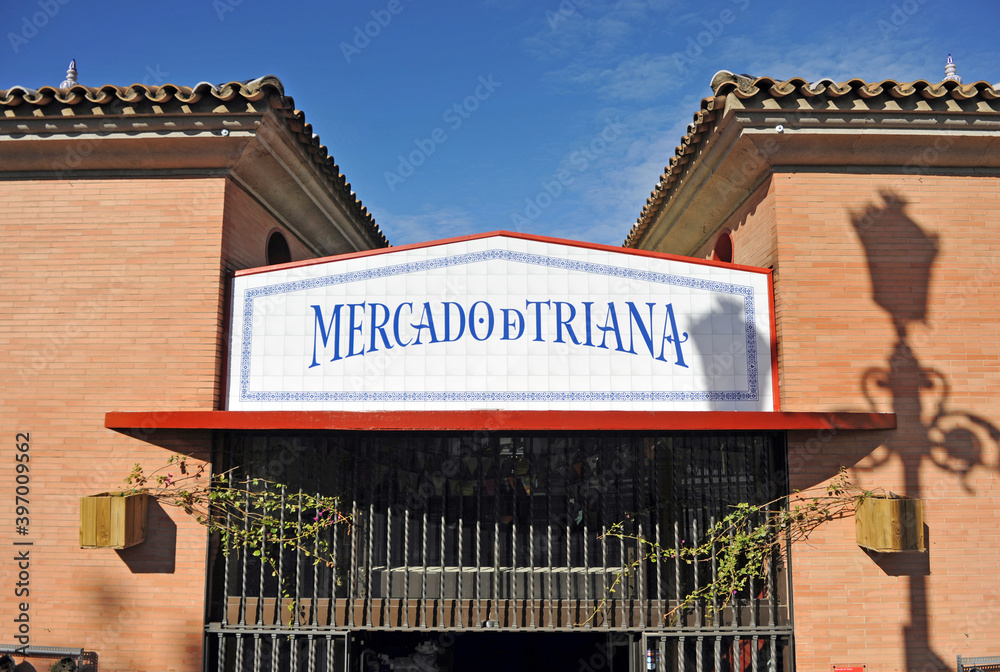
This isn’t a market for tourists—though tourists are welcome. It’s where Triana shops. Watch the people pressing melons, sniffing peaches, exchanging rapid-fire commentary with the stallholders about the quality of the pimientos de padrón or the freshness of the gambas blancas .
Upstairs, a series of tiny bars line the edge of the market. Pull up a stool at Bar La Muralla, order a caña (small beer) and a plate of adobo—marinated and fried fish (the antecessor of fish and chips)—and watch the city stream by below. This is living like a local.
Mercado de la Encarnación: Tradition Under a Modern Roof
Back in the centre, the Mercado de la Encarnación offers a different experience. You know it already—it’s the one with the giant wooden mushroom things on top. The locals call them Las Setas (the mushrooms). Officially, it’s the Metropol Parasol, and it’s the largest wooden structure in the world .
But beneath those mushrooms, the market carries on as it has for centuries. This is where abuelas (grandmothers) have bought their Sunday chicken since before the Franco era. Where the charcuteros know exactly how each customer likes their jamón sliced. Where you can buy a bag of olives so good you’ll never touch the ones at home again.
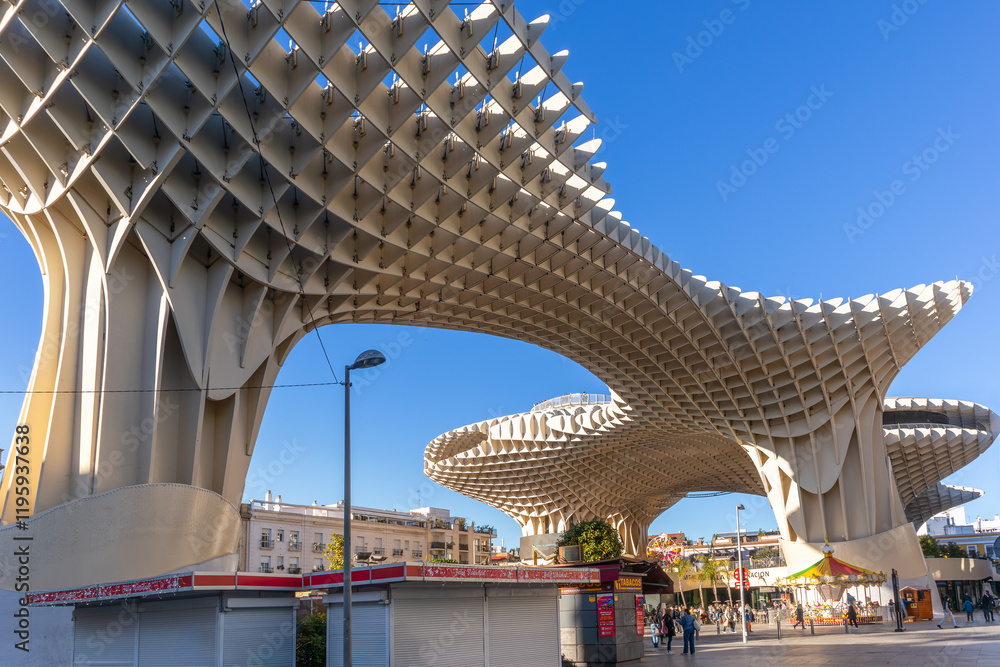
The upstairs viewpoint on Las Setas offers spectacular views, but the real magic is down here, at ground level, elbow to elbow with Sevillanos going about their daily lives.
What to Buy (and What to Eat on the Spot)
A few essentials for your market visit:
- Aceitunas (olives): Don’t buy the bland ones in tins. Ask for gordales (fat, green olives) or manzanillas stuffed with anchovy. The stallholder will let you taste first.
- Jamón: You can’t take it home easily, but you can buy a small bocadillo (sandwich) of jamón on the spot. The best is Jamón de Bellota 100% Ibérico—acorn fed, black hooved, and life changing .
- Queso: A small wedge of Queso Manchego or the smoky Queso de la Serena.
- Frutas: Whatever’s in season. In spring, it’s strawberries and oranges. In summer, melons and figs. In autumn, membrillo (quince paste) appears alongside the first chestnuts.
And for eating on the spot: fried fish (pescaíto frito) at any of the market bars, preferably with a chilled glass of manzanilla sherry.
The Best Time to Visit
Mornings are for shopping. Arrive around 10am, when the stalls are fully stocked and the energy is high. Saturdays are the busiest—and the most authentic, as families stock up for the weekend .
Avoid late afternoon, when stalls start closing and the fish has been sitting too long. And whatever you do, don’t come on a Monday. Most markets in Seville are closed on Mondays. The locals know this. Now you do too.
The Art of the Tapeo: Navigating Seville’s Tapas Bars Like an Insider
Tapeo vs. Dining: Why Sevillanos Eat Standing Up
In Seville, dinner is a performance. It starts late, ends later, and involves multiple acts, multiple bars, and multiple glasses of something cold.
This is tapeo—the art of bar hopping from one tapa to another. It’s not about sitting down to a three course meal with a tablecloth and proper silverware. It’s about standing at a bar, eating with your hands, and moving on when the conversation (or the food) runs dry .
Sevillanos don’t go to one bar for dinner. They go to three, or four, or five. A beer and a small plate here. A glass of wine and a montadito there. By the end of the night, they’ve eaten a full meal, but it happened in fragments, scattered across the city, punctuated by conversation and laughter and the occasional pause to watch the world go by.
The Unwritten Rules: How to Order, Pay, and Behave
A few things to know before you join the tapeo:
- Stand at the bar. If there are seats, you can sit. But the best spots—the ones nearest the action—are standing room only. Squeeze in, claim your patch of marble counter, and prepare to order.
- Order in rounds. Don’t try to order everything at once. Start with a drink and a single tapa. When you’re done, order another round. This isn’t inefficient—it’s the point.
- Pay as you go, or run a tab? In most traditional bars, you pay when you leave. The bartender keeps a mental note (or written with chalk on the counter) of what you’ve had. In more touristy spots, they might ask you to pay after each round. Watch what the locals do and follow their lead.
- Don’t ask for the menu. Often, there isn’t one. The food is displayed on the counter, or written on a chalkboard in Spanish, or simply recited by the bartender when you look confused. Point at what looks good. Say “una ración de eso, por favor” (a portion of that, please). You’ll be fine .
- Leave when you’re done. There’s no rush, but there’s also no lingering over an empty glass. When you’ve finished your drink and your plate, it’s time to either order again or move on. Someone else is waiting for your spot.
Decoding the Menu: From Jamón to Carrillada
Spanish menus can be intimidating. Here are the essentials you’ll actually encounter:
- Aceitunas: Olives. Usually served free with your first drink, sometimes with a charge. Either way, eat them.
- Jamón: Cured ham. Jamón serrano is the everyday version. Jamón ibérico de bellota is the good stuff—dark, nutty, almost melting on the tongue .
- Queso: Cheese. Manchego is the classic sheep’s milk cheese. Ask for curado (aged) for maximum flavour.
- Croquetas: Creamy bechamel fritters, usually with ham or chicken inside. If a bar’s croquetas are good, everything else will be too.
- Tortilla española: The Spanish omelette. Potato and egg, cooked into a dense, satisfying cake. Good tortilla is a thing of beauty. Bad tortilla is a tragedy .
- Pescado frito: Fried fish. In Seville, this usually means small fish—boquerones (anchovies), puntillitas (baby squid), cazón (dogfish)—floured and fried until crispy .
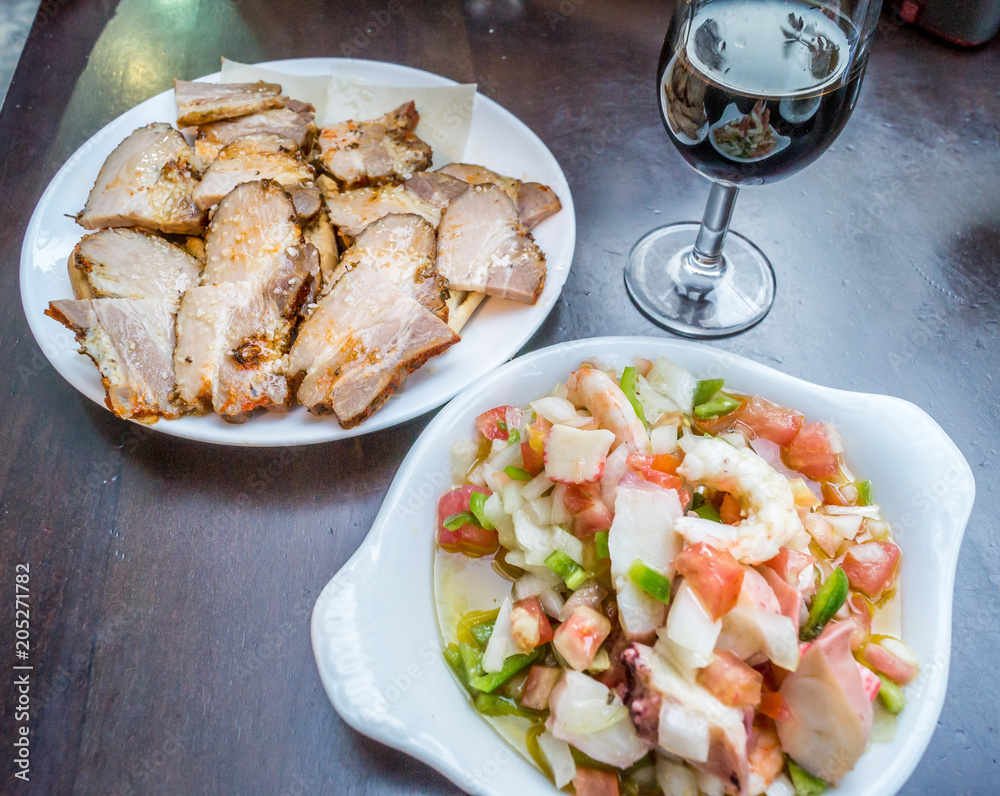
- Carrillada: Pork cheek, slow-cooked until it falls apart. Rich, savoury, and deeply satisfying .
- Montadito: A small sandwich, usually with a single topping. Perfect for a quick bite between bars.
Our Favourite Bars Where Tourists Are Rare (And Locals Are Loud)
In Triana:
- Sol y Sombra: Tucked away near the market, this tiny bar has been serving Triana for generations. Bullfighting photos cover the walls. The chicharrones (fried pork belly) are legendary .
- Sala Rejoneo: Not for the faint of heart. By night, this becomes an impromptu flamenco party.
In the Centre:
- Bodega Santa Cruz Las Columnas: Always packed, always loud, always perfect. The pringá (shredded meat sandwich) is essential eating .
- Casa Ricardo: Near the Alameda, this place feels frozen in time. Tiled walls, old barrels, and some of the best Croquetas.
In La Alameda:
- La Azotea: A modern classic. They take traditional ingredients and treat them with respect. For seafood and good meat fans.The presa ibérica (Iberian pork shoulder) is unforgettable .
The Rhythm of the Day: When Sevilla Eats, Sleeps, and Comes Alive
Seville runs on its own clock. Here’s how the day unfolds.
Morning (Mañana): Coffee, Churros, and the First Light
Seville wakes late by Northern European standards. Shops open around 10am. But the city’s cafés have been buzzing since 8, filled with people grabbing breakfast before work.
Breakfast here is simple: café con leche (coffee with milk) and either tostada (toasted bread with olive oil and tomato) or churros—fried dough pastries, dusted with sugar, perfect for dipping in thick hot chocolate .
By 11am, the city is fully awake. Morning is for errands, for markets, for the first caña of the day at a sunny terrace. It’s also the best time to visit the Alcázar or Cathedral, before the heat and the crowds descend .
Midday (Mediodía): The Serious Business of Lunch
Lunch is the main meal of the day, and Sevillanos take it seriously. It starts around 2pm—never earlier—and stretches well into the afternoon .
A proper lunch means multiple courses. A starter (entrante), often shared. A main (plato principal) of fish or meat. Dessert (postre) or coffee. And always, always wine or beer. This isn’t a quick refuel. It’s a ritual, a pause, a celebration of food and company .
By 4pm, the streets empty. Shutters close. The city holds its breath.
Afternoon (Siesta): Yes, It’s Real—and You Should Respect It
The siesta isn’t a myth. In Seville, it’s a necessity.
From roughly 4pm to 6pm, many shops close. Offices empty. The city retreats indoors, escaping the afternoon heat. Some people sleep. Others watch TV, read, or simply rest .
As a visitor, you have two choices: fight the rhythm or join it. Fighting means wandering empty streets, finding half the places you wanted to visit shuttered, feeling the heat drain your energy. Joining means finding a cool, dark room, lying down for an hour, and emerging refreshed when the city reawakens.
Join it. Your body will thank you.
Evening (Atardecer): The Paseo, the River, and the Golden Hour
Around 7pm, Seville stirs again. Shutters open. Streets fill. The evening paseo—the traditional stroll—begins.
This is Seville at its most beautiful. The light turns golden, then pink, then purple. Families walk together, couples hold hands, children chase each other through plazas. The river reflects the sky. The Giralda glows .
Now is the time for a drink on a terrace, for wandering without purpose, for watching the city exhale after the heat of the day. Find a spot along the river in Triana, order a rebujito (sherry with lemonade), and watch the sun sink behind the bridge .
Night (Noche): When the City Finally Exhales
Dinner in Seville starts late. 9pm is early. 10pm is normal. 11pm isn’t unusual .
And after dinner? The night continues. Bars fill. Terraces hum. In summer, the city stays alive until 3 or 4am, when the last stragglers finally head home .
This isn’t about getting drunk or staying out too late. It’s about savouring the cool night air after the heat of the day, about conversation that stretches into the small hours, about the simple pleasure of being awake while the world sleeps .
The Language of the Streets: A Few Phrases to Unlock Smiles
Beyond “Hola” and “Gracias”: What Locals Actually Say
You don’t need fluent Spanish to live like a local in Seville. But a few phrases, used well, will transform how people respond to you.
- “Buenas” — Not “buenos días” or “buenas tardes”. Just “buenas”. It works anytime, anywhere. Walk into a bar and say “buenas” to the room. You’ve already passed the first test .
- “¿Qué tal?” — “How’s it going?” Use it after “buenas”. It’s casual, friendly, and expects nothing more than a smile and a “bien, ¿y tú?” in return.
- “Ponme…” — Literally “put me…”. When ordering at a bar, this is what locals say. “Ponme una caña, por favor.” It’s direct without being rude.
- “¿Me pones la cuenta?” — “Can you bring me the bill?” Or simply raise your hand slightly and say “¿la cuenta?” when you’re ready to leave.
- “Vale” — “Okay” or “got it”. You’ll hear it constantly. Use it constantly. It’s the verbal nod that keeps conversations moving.
- “¡Olé!” — Not just for flamenco. Use it when someone does something impressive—a clever move, a generous gesture, a perfectly executed tapa recommendation.
How a Little Spanish Opens Big Doors
Here’s the truth: Sevillanos are warm, welcoming people. They’re used to tourists. They speak English in many bars and restaurants .
But when you make the effort—when you say “buenas” instead of “hello”, when you order in Spanish, when you attempt a joke and laugh at yourself when it fails—something shifts. The smile becomes real. The service becomes warmer. The conversation opens up.
You’re no longer a tourist. You’re a guest.
How to Experience This Rhythm Yourself (Without Overthinking It)
All of this might sound overwhelming. The markets, the bars, the rhythms, the language—it’s a lot to absorb.
Here’s the secret: you don’t have to do it alone.
Why a Local Guide Helps You Relax into the Pace
A good guide doesn’t just show you places. They show you how to be in those places. They order for you at the bar, translating the specials and explaining what’s worth trying. They lead you through the market, pointing out the stalls that matter and introducing you to the vendors they’ve known for years .
They take you to bars you’d never find on your own—places with no sign, no menu, no website, just decades of tradition and the best fried fish in the neighbourhood. They tell you when to linger and when to move on. They help you fall into the rhythm without forcing it .
The Beauty of Letting Someone Else Lead—Just for a Day
You’re an independent traveller. You like doing things your own way. We understand .
But consider this: letting someone else lead for a single day isn’t surrendering control. It’s investing in understanding. It’s spending a few hours learning the patterns, the secrets, the shortcuts—and then having the rest of your trip to apply them on your own .
Think of it as a masterclass in living like a local. One morning or afternoon with a guide who loves this city, who eats in these markets, who drinks in these bars, who knows the rhythms because they live them every day .
After that, you’ll wander with more confidence. You’ll order with more ease. You’ll see the city differently because someone showed you how.
Ask us for further info, that’s exactly what we do. Our guides don’t recite dates and names. They share their city. They take you to explore Triana market with a local guide who knows every stall , introducing you to the fishmonger who’s worked the same counter for forty years. They lead you through Triana’s back streets, pointing out ceramic workshops and flamenco corners you’d miss on your own .
And in the evening, they’ll join our small-group tapas crawl to discover hidden gems —bars where the tourists haven’t found yet, where the croquetas are made by hand and the sherry flows from barrels tapped that morning .
By the end, you won’t just have seen Seville. You’ll have felt it. You’ll have eaten where locals eat, walked when locals walk, rested when locals rest. You’ll have lived like a local—if only for a day.
Conclusion: Living Like a Local Isn’t About Pretending—It’s About Participating
Living like a local in Seville isn’t about dressing like a Sevillano or pretending you belong here. It’s about participating in the rhythms that make this city special.
It’s about standing at a bar at noon, eating a plate of just-fried fish, and watching the world go by. It’s about wandering through the market on a Saturday morning, squeezing melons and sniffing peaches, joining the great conversation of people buying food. It’s about taking a nap in the afternoon because the heat demands it, and because the evening ahead will be long and lovely. It’s about walking along the river at sunset, saying “buenas” to everyone you pass, feeling the city settle into its nightly rhythm.
You don’t need to master Spanish. You don’t need to memorise bar names or market opening hours. You just need to show up, pay attention, and let the city teach you its ways.
And if you want a head start—if you want someone to show you how it’s done, to lead you through the markets and the bars and the golden hours, to help you relax into the pace instead of fighting it—we’re here.
Let one of our guides help you slow down and connect with the city . Just for a morning, or an evening, or a full day. Let us show you the Seville we love—the one that lives between the monuments and behind the postcards, the one that beats in the markets and breathes in the tapas bars and glows in the golden light of evening.
Then go explore on your own. You’ll know how.
Ready to live like a local? Join us for a small-group walking tour or a tapas crawl through Seville’s most authentic corners. No scripts, no rush—just real experiences with guides who love this city.