
The Bulls of Seville: An Untold History from Hercules to Hemingway
To the outside world, few images are as powerfully and controversially linked to Spain as the bullfight. A matador in a suit of lights, a charging bull, a sun drenched plaza—it’s a cliché of epic passion and brutal tradition. In Seville, home to the iconic Real Maestranza bullring, this spectacle isn’t just a tourist event; it’s a cultural artifact with roots sunk impossibly deep into the bedrock of history, myth, and Andalusian identity. But to dismiss it as mere spectacle is to miss a far richer, more complex story.
This narrative doesn’t begin in the 18th century with the first professional matadors. It begins over two millennia ago, woven into the very founding myths of the region, born from the intimate relationship between humans and the formidable wild cattle of the Iberian Peninsula. The story of the bull in Seville is a journey from sacred symbol to noble sport, from peasant pastime to globalized icon, reflecting the seismic shifts in Spanish society itself.
As a local company, we navigate this history with clear eyes. This article isn’t an endorsement but an exploration—a deep dive into how the bull evolved from a mythical beast hunted by Hercules to the centerpiece of a controversial art form. Understanding this history is key to understanding a significant, albeit debated, strand of Sevillian culture.
Part I: Ancient Foundations – Myth, Sacrifice, and the Bull of the Sun
Long before the concept of “Spain” existed, the bull was already a sacred and potent symbol across the Mediterranean.
The Minoans of Crete & The Bull-Leaping Ceremony
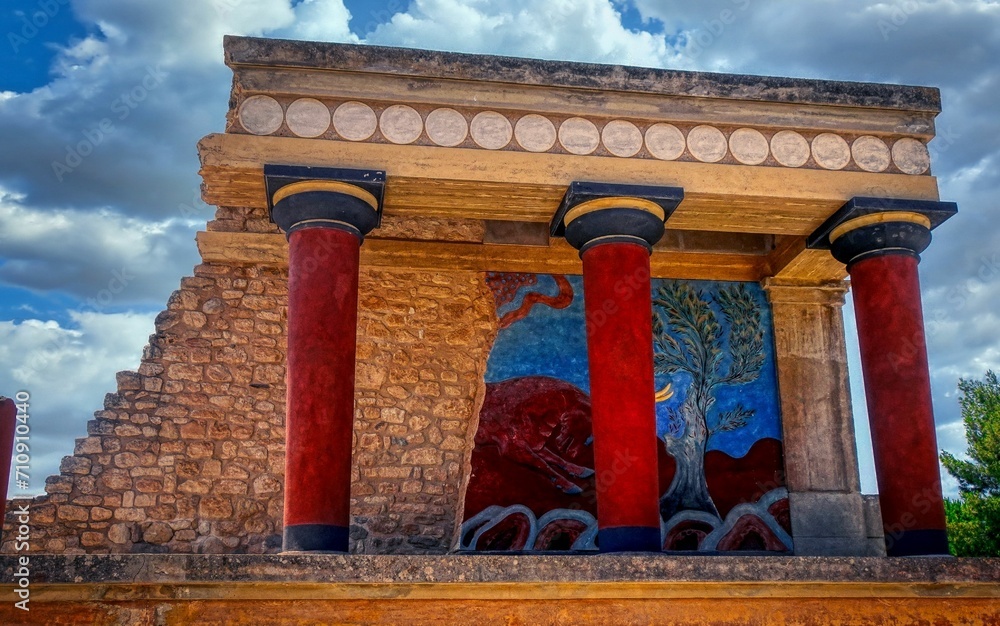
The earliest echoes come from Crete (c. 2000-1500 BCE). The Minoans practiced taurokathapsia, or bull-leaping, a ritualistic gymnastics performance involving acrobats vaulting over a charging bull. This was likely a religious rite, connecting the bull’s raw power with fertility, the earth, and possibly solar worship. It establishes an ancient precedent: the bull as a majestic, dangerous force to be ritually confronted by humans.
The Iberians & The Bull as a Spiritual Emblem
On the Iberian Peninsula, the pre-Roman people created the famous “Toros de Guisando” and other stone bull sculptures. These verracos were more than decorations; they were spiritual totems, likely representing strength, protection, and virility. The bull was embedded in the spiritual landscape of the land that would become Andalusia ( Bull worship have been observed in archeological sites belonging to Tartessos) and Spain.
Hercules, Geryon, and the Tartessian Herds
Here, local myth collides with classical legend. The Tenth Labour of Hercules was to steal the famed cattle of Geryon, a monstrous giant said to live on an island in the far west—often identified with the Tartessian culture in ancient Andalusia. Hercules journeyed to Sanlúcar de Barrameda, at the mouth of the Guadalquivir, slew Geryon, and drove the legendary red cattle back to Greece. This myth poetically encodes a truth: the fertile plains of the Guadalquivir Valley have been renowned for their prized, powerful cattle since time immemorial.
A Weapon of War: The “Bulls of Fire” Against Carthage
Legend becomes tangible strategy in 228 BCE. According to the historian Appian, during the Carthaginian conquest, the Iberian chieftain Teres used the region’s wild bulls as weapons. He routed the army of the Carthaginian general Hasdrubal the Fair (brother-in-law of Hannibal) by stampeding herds of bulls with flaming brands tied to their horns into the Carthaginian ranks. This ingenious tactic highlights the deep local knowledge of the bull’s behavior and its availability as a resource.
Part II: The Medieval Arena – From Muslim Festivity to Christian Chivalry
With the fall of Rome and the rise of Al-Andalus, the bull’s role evolved but never disappeared.
Festivities in Al-Andalus
Contrary to popular belief, bull-related spectacles were not absent in Muslim Iberia. Chronicles describe fiestas de toros held by Moorish kings, involving games on horseback where noblemen would demonstrate their skill in dodging and lancing bulls. These were displays of equestrian prowess and courage, a tradition that would directly influence what was to come.
The Reconquista & The Noble “Juego de Cañas”
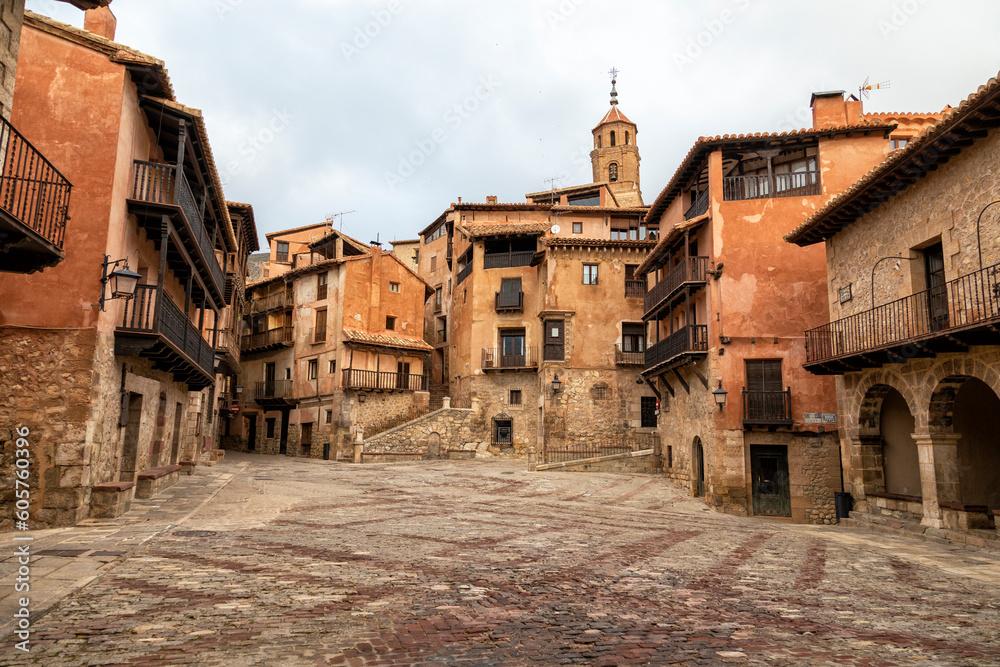
After the Christian reconquest, the bull became a central feature of aristocratic life. The “Juego de Cañas” (Game of Canes) and later the “Suertes de Lanzas” (Feats of Lances) were the precursors to the modern corrida. These were mounted events held in main plazas (like Seville’s Plaza de San Francisco), where knights, mimicking Moorish horsemen, would compete to lance bulls as a public demonstration of martial skill, honor, and nobility. It was the sport of the elite, a training for war, and a tool of social prestige.
Part III: The Democratic Turn – From Horseback to Foot, From Noble to Populace
The pivotal shift that created modern bullfighting occurred in the early 18th century, and its epicenter was Andalusia.
Why the Change? Economics and Urbanization
As the Hapsburg dynasty declined and the utility of knightly lance warfare waned, the nobility’s interest and funds for lavish equestrian bull festivals faded. Simultaneously, a new urban class and a landless peasantry sought entertainment and opportunity.
The Birth of the “Matador de a Pie” (Foot Matador)
This vacuum was filled by commoners, often from poor Andalusian towns, who began to face the bull on foot. Without horses or lances, they used a cape (muleta) and a sword. This was a revolution. It democratized the spectacle, making it cheaper to stage and more relatable to the public. The risk was exponentially higher, and thus the glory and potential reward were too.
Seville & the First Dynasties
Seville and the surrounding towns became the cradle of this new art. Figures like Francisco Romero (c. 1700-1763) from Ronda is credited with formalizing the use of the muleta and the killing sword. He represents the transition: a man of humble birth who turned a popular pastime into a codified, professional spectacle. Bullfighting became a viable, albeit deadly, escape from poverty and a path to fame and fortune for the daring.
Part IV: The Golden Age & The Matador as Rock Star
By the 19th and early 20th centuries, the bullfighter had achieved a status unimaginable to the medieval knights.
The Cult of Personality
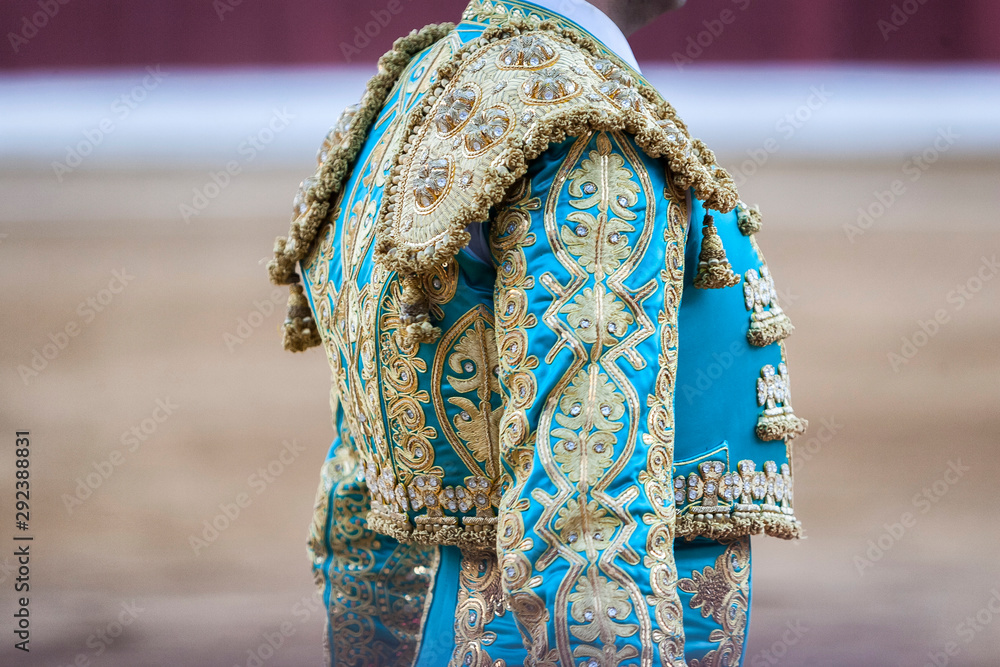
The best matadors were not just performers; they were national idols. Their lives, loves, styles, and deaths were followed with a fervor we now associate with rock stars or top athletes. They came from extreme poverty (especially in Andalusia) and could attain immense wealth, moving in high society and influencing fashion. The “traje de luces” (suit of lights) evolved into its current glittering form, a symbol of this transcendent stardom.
The Art of “Toreo” and the Sevillian School
A specific Sevillian style of bullfighting emerged, characterized by its elegance, grace, and rhythmic, close passes with the cape. It was less about brute force and more about aesthetic domination, reflecting the city’s own self-image. The Plaza de la Real Maestranza, rebuilt in its current Baroque form in the 18th century, became a temple to this developing art.
Hemingway’s Lens: Globalization of a Myth
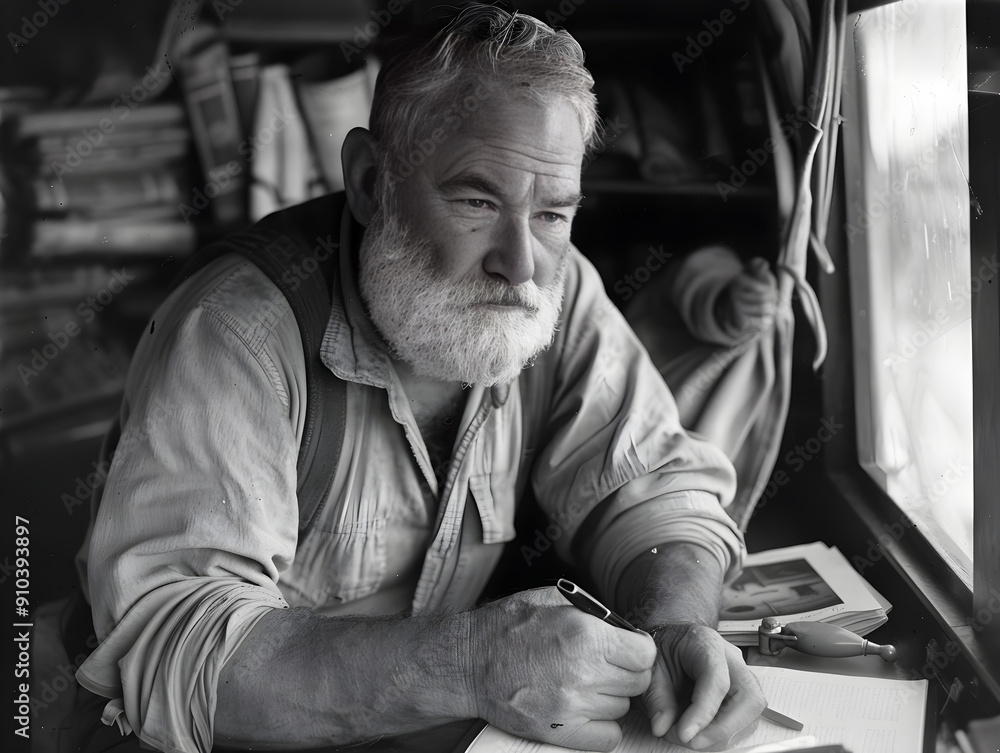
Then came Ernest Hemingway. His 1932 non-fiction book “Death in the Afternoon” and his novel “The Sun Also Rises” did more than any single Spanish work to internationalize and mythologize bullfighting for an English-speaking audience. Hemingway framed it not as a sport but as a “tragic art”—a ritualized, dignified dance with death where a man could display “grace under pressure.” His romantic, existentialist interpretation became the dominant foreign lens, cementing the bullfighter’s global image as a tragic, heroic artist and attracting waves of curious tourists to Seville’s Maestranza.
Part V: The Modern Paradox – Legacy, Controversy, and Cultural Memory
Today, bullfighting exists in a state of profound tension, especially in a cosmopolitan city like Seville.
The pillars of its continued presence are:
- Deep Historical Roots: It is seen by supporters as an intangible cultural heritage, a living link to the complex layers of Andalusian history outlined above.
- Economic Ecosystem: It supports a vast industry—ganaderías (bull breeding ranches) in the Andalusian countryside, a specialized craft in making costumes and swords, and the employment of ring staff.
- Aesthetic Tradition: For aficionados, it remains a unique art form combining drama, courage, and skill.
The overwhelming criticisms are:
- Animal Welfare: The central, undeniable ethical controversy.
- Generational Divide: It has largely failed to attract a young urban audience in Spain.
- Political Symbol: It has become a political battleground between traditionalist and progressive visions of Spain.
Conclusion: Understanding, Not Just Seeing
To stand before Seville’s Real Maestranza bullring is to stand before a monument to this entire saga—from the mythical cattle of Geryon to the global fame wrought by Hemingway. It is a building that contains a millennia-old story of power, class, poverty, art, and controversy.
For the visitor, the choice to attend a corrida is a personal one. But whether you choose to witness it or not, understanding its history is crucial to understanding Seville. It is a key that unlocks aspects of the city’s aristocratic past, its rural economic base, its capacity for theatricality, and its ongoing cultural debates.
The bull is more than an animal in the Andalusian story; it is a mirror. To explore this history is to engage with the soul of a region, in all its dazzling and difficult complexity.
Curious to see where this history lives? Join us, where we explore the bullring’s exterior and the neighborhood that produced so many of its legendary figures, placing this enduring tradition into the full context of Sevillian life.