
The Romantic & Exotic Cliché: The True Origins of Andalusia’s Global Image
Close your eyes and think of “Andalusia.” What comes to mind? Perhaps a passionate flamenco dancer, a sun-baked white village, a brave matador in a glittering suit of lights, or the intricate arches of a Moorish palace. This potent imagery, a blend of passion, exoticism, and timeless beauty, forms one of the world’s most recognizable regional identities. It’s a powerful brand, endlessly reproduced in travel brochures and cultural references. But where did this image truly come from? Is it an authentic reflection, or a crafted fantasy?
For visitors to Seville, the heart of Andalusia, this question isn’t just academic. It’s the key to moving beyond the postcard and understanding the complex, living culture you’re experiencing. The global image of Andalusia wasn’t born organically from the land alone. It was profoundly shaped, and in many ways invented, by 19th-century Romantic travelers, artists, and writers from Northern Europe who came looking for an exotic “Other.” They projected their desires onto the region, weaving together half-understood truths, orientalist fantasies, and genuine local customs into a compelling, and sometimes distorting, narrative.
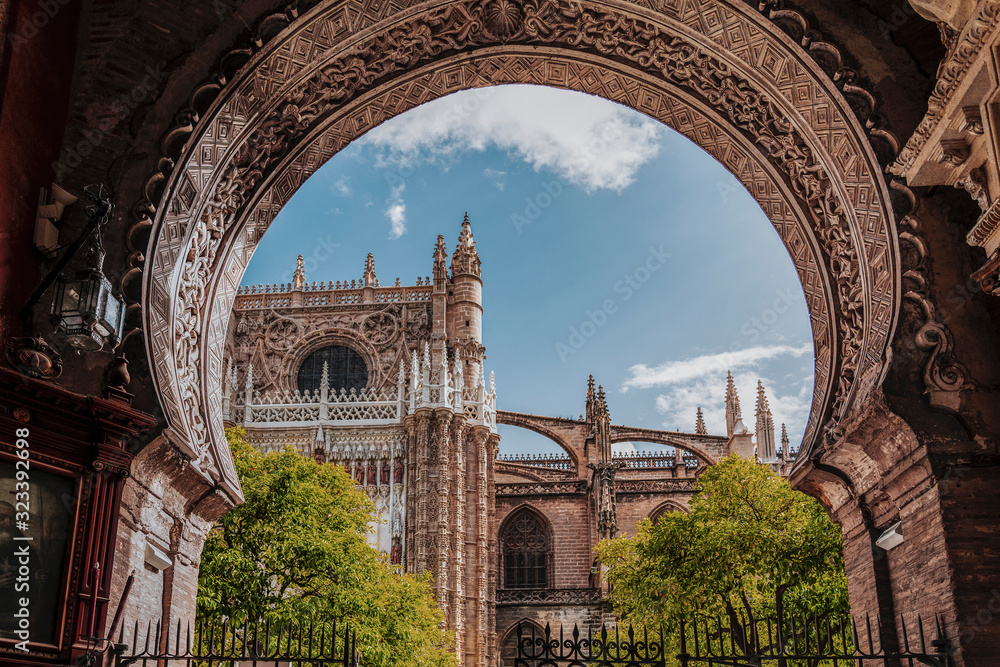
As a local tour company, we navigate this rich tapestry every day. We see the magnetic power of these clichés, but we also know the deeper, more nuanced stories behind them. This article isn’t an exposé; it’s a journey to the origin of the imagery itself. By understanding how the “brand” of Andalusia was formed, you’ll gain a sharper, more appreciative lens through which to see Seville—distinguishing the romanticized myth from the authentic, vibrant reality.
The Canvas of Difference: An “Exotic” South in a Modernizing Europe
To understand the Romantic obsession with Andalusia, one must first understand the 19th-century European mindset. The Industrial Revolution was transforming the north—Britain, France, Germany—into smoky, urbanized, and increasingly rational societies. Progress was measured in factories and railways.
In this context, Southern Spain, and particularly Andalusia, was perceived as the antithesis: a land seemingly untouched by modern time. It was painted as a place of raw emotion, violent beauty, and pre-modern traditions. This wasn’t just a different country; it was a different epoch. For Romantics disillusioned with their own world, Andalusia became the ultimate escapist fantasy—a living museum of passion.
The Romantic Pilgrims: Writers and Artists as Image-Makers
This fantasy was crystallized and broadcast to the world by a wave of influential visitors.
- Washington Irving: The American author’s 1832 book, “Tales of the Alhambra,” is arguably the single most important work in crafting Andalusia’s exotic image. He didn’t just describe the Granada palace; he populated it with ghosts, legends, and a nostalgic haze of “Moorish” romance. Irving framed Andalusia as a melancholic, storybook land, setting a template for centuries of tourists who would come in search of his atmosphere.
- Theophile Gautier & Richard Ford: French writer Gautier and British travel writer Ford provided the vivid, detailed brushstrokes. They penned wildly popular travelogues that emphasized the “picturesque” and the “characteristic.” Ford’s “A Handbook for Travellers in Spain” (1845) was the definitive guide. They fixated on bandits, gypsies, bullfights, and dilapidated Moorish architecture, consciously seeking out scenes that fit their dramatic, anti-bourgeois ideal.
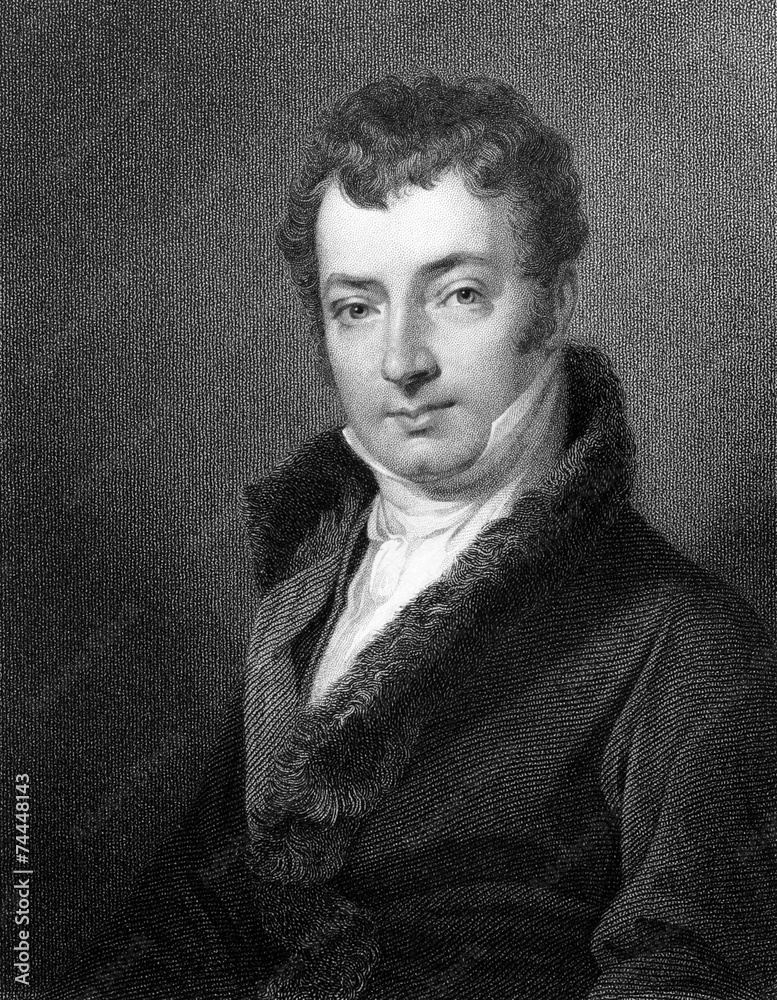
Their lens was selective and subjective. They weren’t documenting daily life; they were curating an experience that confirmed their Romantic ideals. Their powerful writings became the filter through which the outside world would henceforth see Andalusia.
Deconstructing the Pillars of the Andalusian Cliché
The Romantic image rests on several powerful pillars. Let’s trace their origins and explore their complex realities.
1. Flamenco: From Margins to Global Icon
The Romantic Cliché: The quintessential symbol of raw, untamed Spanish passion. A spontaneous, fiery, and tragic art form bursting from the “soul of the gypsy.”
The Deeper Origin Story: Flamenco’s journey is the journey of Andalusia’s image itself.
- Its roots lie in the marginalized communities of Lower Andalusia (particularly Cádiz, Seville’s Triana neighborhood, and Jerez) in the 18th-19th centuries, blending Gypsy (Roma), Andalusian, and possibly Moorish musical influences.
- The Romantics “discovered” flamenco in its early, intimate café cantante settings. They were mesmerized by its emotional depth (duende) and its performers, whom they viewed as noble, primitive artists.
- This outsider fascination helped transform flamenco from a local folk art into a national and then global symbol. The cliché of the “passionate flamenco dancer” is a direct export of the Romantic gaze, which often simplified and sexualized a complex, disciplined art of song (cante), guitar (toque), and dance (baile).
The Local Reality Today: Flamenco is a deep, respected, and evolving cultural pillar. Seeing it in an authentic tablao in Seville is to witness not just passion, but profound skill, tradition, and innovation. The cliché captures its energy but misses its soulful complexity.
2. Bullfighting: The Theatre of Life and Death
The Romantic Cliché: The ultimate spectacle of courage, tragedy, and barbaric beauty. A ritualized dance with death representing the Spanish character itself.
The Deeper Origin Story:
- While bull traditions are ancient, the modern corrida as a formalized public spectacle took shape in the 18th century.
- Romantics like Prosper Mérimée (and later, Hemingway) framed it not as a sport, but as a profound, tragic art form. They saw the matador as a lone, heroic figure confronting mortality, set against a backdrop of a fanatical, sun-drenched crowd. This dramatic framing elevated bullfighting from a popular pastime to a metaphor for Spain: fatalistic, brave, and archaic.
- This external literary glamorization played a huge role in cementing bullfighting’s place as the Spanish spectacle, despite it being primarily an Andalusian and central Spanish tradition, and one with significant domestic controversy.
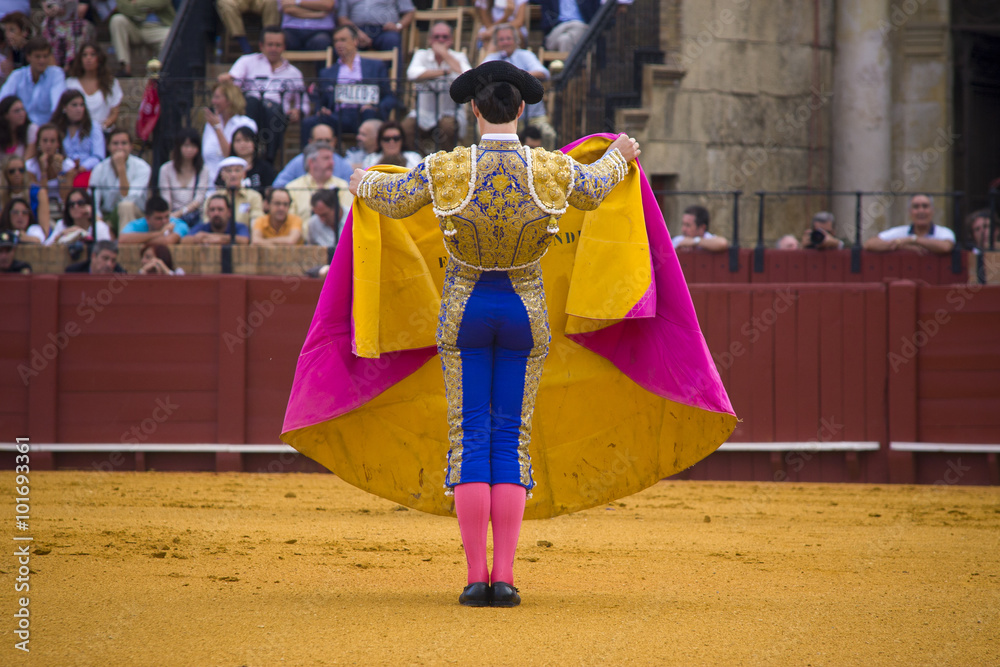
The Local Reality Today: In Seville, the Maestranza bullring is a temple to this history. Whether one approves or not, understanding its cultural weight requires acknowledging how the Romantic pen helped forge its mythical status.
3. The “Orientalist” Fantasy: Al-Andalus as Exotic Paradise
This is perhaps the most enduring and distorting layer of the cliché.
The Romantic Vision: The 19th-century travelers looked at Andalusia’s Moorish architecture—the Alcázar of Seville, the Alhambra—and didn’t just see historical ruins. They saw a vanished exotic paradise. They engaged in “Orientalism,” a Western tendency to portray the East as sensual, decadent, mysterious, and backward.
- They imagined a timeless, romanticized “Orient” in Andalusia, often confusing and blending elements from different Muslim cultures and eras.
- This vision ignored the complex reality of Al-Andalus (a sophisticated, often tense, multi-faith society) and the Christian Reconquista that followed. It painted a dreamy picture of lost luxury and exotic sensuality, perfectly captured in the lush, fabricated interiors of Moorish Revival buildings that sprung up across Europe and America.
The Architectural Legacy in Seville: When you visit the Royal Alcázar, you are seeing a real Mudéjar palace (built by Muslim craftsmen for Christian kings). The Romantic gaze, however, would have seen a purely “Oriental” fantasy. This lens influences how many visitors still see the city: as a piece of the “East” in Europe.
4. The Cult of Passion & “Españolada”
The Romantics wove these elements—flamenco, bulls, exoticism—into a grand narrative about the Andalusian and Spanish character: passionate, spontaneous, honor-obsessed, cruel, and devout.
This exaggerated stereotype was packaged and sold back to Spaniards themselves and to the world through “españolada”—folkloric musical films and theater of the early 20th century that featured guitar-strumming, shawl-clad women, and brave bullfighters. This commercialized, simplified version of the Romantic cliché became the dominant global brand for Spain, heavily anchored in Andalusian imagery.
Beyond the Cliché: Experiencing Authentic Seville
So, is the “real” Andalusia a fabrication? Absolutely not. The cliché is powerful because it contains kernels of truth, amplified and repackaged. The heat is intense. The culture is expressive. The history is layered with dramatic conflict. The Romantics didn’t invent these things; they crafted a potent, marketable story from them.
As a visitor, you can engage with this history intelligently:
- Acknowledge the Lens: Recognize that your own expectations have likely been shaped by this century-old marketing. When you see a flamenco poster, you’re seeing the Romantic legacy.
- Seek the Substance Behind the Symbol: Don’t just watch a flamenco show; learn about the different palos (styles) from a local. Don’t just admire the Alcázar’s beauty; understand the Mudéjar culture that created it.
- Explore Beyond the Postcard: The Romantic itinerary was limited. Venture beyond the Santa Cruz quarter. Explore the modern Metropol Parasol, the contemporary art scene, the vibrant neighborhoods like Triana or La Macarena, where daily life unfolds with a modernity the Romantics never sought.
- Ask a Local: This is the most powerful tool. A local guide can point out where the cliché aligns with reality and where it diverges. They can tell you why a particular flamenco song is sad, or how a patio festival truly works, connecting you to the living culture behind the imagery.
A Dialogue Between Myth and Reality
The image of Andalusia is a palimpsest—a parchment written, erased, and rewritten over time. The Romantic travelers wrote one of the most influential and enduring layers. Their “invention of Andalusia” was a act of creative interpretation that brought global fame but also imposed a sometimes restrictive costume.
To visit Seville today is to enter into a dialogue with that history. The city doesn’t reject its clichés; it lives with them, performs them, and transcends them every day. The goal isn’t to debunk the myth but to understand its origin, appreciate its beauty, and then peer deeper.
By doing so, you move from being a passive consumer of imagery to an engaged participant in a culture that is infinitely richer, more resilient, and more fascinating than any single story ever told about it. You see not just the passionate, exotic Andalusia of the Romantic dream, but the innovative, complex, and authentically vibrant Andalusia that has always been here.