The Best Time to Visit Seville: A Complete Guide Beyond Spring
Ask any seasoned traveler or consult a classic guidebook: the unanimous answer for the best time to visit Seville is spring. And they are not wrong. From March to May, the city erupts in a spectacle of color, light, and joy. The orange trees are in bloom, the festive spirit is palpable, and the weather is near perfect. But this consensus has a significant downside: everyone knows it. The Sevillian spring is a victim of its own success, with packed hotels, peak prices, and such high demand for tours and experiences that securing last minute reservations can be a real challenge.
As a person that lives and breathes the city 365 days a year, we want to offer you a broader, more valuable perspective. Seville’s true magic isn’t confined to three months on the calendar. In fact, there is a “second spring” that smarter travelers are discovering, and a unique atmosphere in every single season. This article provides a month-by-month guide, looking beyond the cliché, to help you choose the moment that best suits what you’re seeking: to avoid crowds, enjoy the best weather, experience major festivals, or simply connect with the local essence at a leisurely pace.
Understanding Seville’s rhythm is the first step to falling in love with it. Let’s explore.
The Legendary Spring (March – May): The Spectacle at its Peak
Why is it So Famous?
The myth of the Sevillian spring is built on undeniable truths.
- Ideal Climate: Temperatures range from a pleasant 15°C to 27°C (59°F – 77°F). The days are long and sunny, perfect for strolling without the oppression of extreme heat.
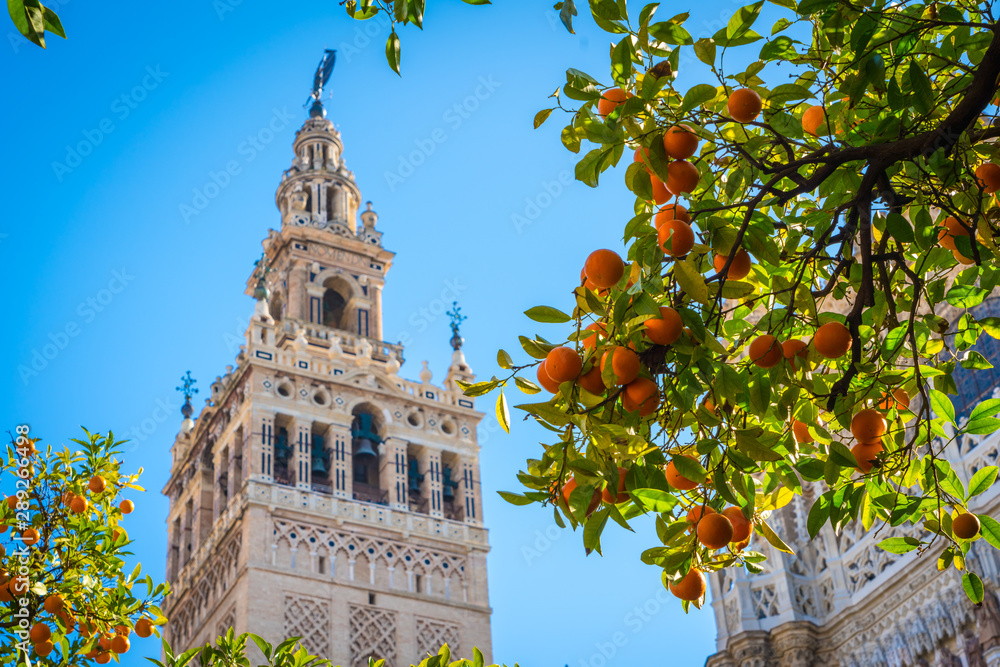
- Explosion of Color and Scent: The city is literally perfumed by the blossom of thousands of orange trees (azahar). Parks like María Luisa are in full bloom.
- The Peak Festival Cycle: This is the season for the two major events: Holy Week (Semana Santa) and the April Fair (Feria de Abril). Experiencing either is a world-class cultural event.
The Other Side of the Coin: Challenges for the Traveler
However, this perfection attracts millions.
- High Demand & Peak Prices: This is the undisputed high season. Flights and accommodations see prices skyrocket, especially during festival weeks.
- Difficulty Booking: The best tours, restaurants, and monument tickets (like those for the Real Alcázar) sell out weeks, even months, in advance. Spontaneity here comes at a very high cost.
- Overcrowding: The historic center and main monuments can become saturated, which can detract from the experience.
Essential Local Tip: If you choose spring, plan far in advance. Book flights, hotels, and most importantly, your tours and monument tickets weeks ahead. The reward, with planning, is unmatched.
The “Second Spring”: The Autumn Discovery (September – November)
This is the best-kept secret among repeat travelers and locals alike. If you seek the gentle climate of spring but with more tranquility, your season is autumn.
Why Autumn is a Brilliant Choice
- Exceptional Weather (The “Second Spring”): September retains a mild summer feel, but from October through late November, Seville enjoys splendid weather. Sunny days with temperatures between 18°C and 28°C (64°F – 82°F) are ideal for exploration. It’s common to sit on a terrace in November with just a light jacket.
- Regained Tranquility: Crowds diminish significantly. Wandering through the Santa Cruz neighborhood or María Luisa Park becomes a more intimate and pleasurable experience.
- Easier Bookings & Better Prices: You’ll find a wider range of available accommodations at more affordable rates. Booking a tour with a local guide or a table at a top restaurant is considerably more flexible.
- Golden Light & Local Vibe: The autumn light bathes the city’s buildings in an incomparable warm, golden tone. Life returns to its local rhythm after summer, making it a perfect time to connect with authentic Seville.
Essential Local Tip: Take advantage of less crowded cultural events, like the European Film Festival, or enjoy the flamenco and theater season in tablaos with a more local atmosphere.
The Sevillian Winter (December – February): Light, Culture & Calm
Forget intense cold. Winter in Seville is mild and luminous, an excellent choice for travelers who prioritize culture and budget.
Advantages of a Winter Visit
- Mild Climate: It rarely drops below 5°C (41°F) at night, with daytime highs often around 15-18°C (59-64°F). Whole weeks of clear skies and sun are common. It’s the perfect season for long, leisurely walks.
- Maximum Availability & Lower Prices: This is the low season (except for Christmas). You’ll find the best deals on flights and hotels and will have monuments almost to yourself.
- Unique Christmas Atmosphere: From December 8th to January 6th, Seville dresses up. The streets are lit, nativity scenes (belenes) fill churches and squares, and the atmosphere is familial and cheerful. Christmas Eve is experienced with special intensity.
Essential Local Tip: Enjoy winter gastronomy: wild thistle dishes (tagarninas), churros with hot chocolate on a cool day, and the rich legume stews (potajes). It’s an unexpected delight.
The Sevillian Summer (June – August): A Challenge for the Traveler
Seville in summer is an extreme experience. It’s beautiful to see the city under the intense sun, but it requires preparation and a specific mindset.
Why It’s Advised to Avoid July & August (If Possible)
- Extreme Heat: Temperatures consistently exceed 35°C (95°F), and it’s not unusual to reach 40-45°C (104-113°F). The heat is dry but intense and completely dictates the pace of the day.
- Adapted Pace of Life: Locals live on a different schedule: early rising, a long mandatory siesta, and life that resurges after 9:00 PM. As a visitor, you must adapt to this rhythm unless you want to suffer heatstroke.
- Mass Cruise & Day Tourism: While not peak season for long stays, the city receives a high number of cruise visitors and day-trippers, concentrated in the midday hours.
Essential Local Tip (If you come in summer): Adopt the local rhythm. Sightsee only in the early morning (8:00 AM – 1:30 PM) and in the evening. Your best ally will be an early morning guided tour, before the major sites open and the heat becomes unbearable. And of course, always carry water.
Month-by-Month Guide: The Unique Character of Seville in Every Season
To help you decide precisely, here is a breakdown of the city’s soul month by month.
- January & February: Cultural winter. Ideal for architecture lovers and peace. Chilly only in the mornings.
- March: The prelude to spring. Unpredictable but hopeful weather. End of the month is busy if Easter falls then.
- April: The major month. Perfect weather, but the city is at its peak occupancy and price due to the April Fair. Extreme planning is necessary.
- May: Spring in its pure state. Still a great atmosphere, but slightly calmer than April. Excellent weather.
- June: The transition to summer. Heat begins, but the nights are long and festive. The Night of San Juan (June 24th) welcomes the season.
- July & August: For adapted adventurers only. Peak heat. Day tourism. Live like a local: rise early and stay out late.
- September: The city recovers its rhythm after summer. Pleasant evening warmth. A very good time.
- October: Perhaps the most perfect month. Spring-like climate, incredible light, reasonable prices, and tranquility. Our secret recommendation.
- November: The “second spring” extends. Shorter days but still mild. Authentic local atmosphere.
- December: Christmas spirit and mild climate. A different and charming plan.
Conclusion: There’s No Bad Season, There’s a Season for Every Traveler
The question “When is the best time to visit Seville?” doesn’t have a single answer. It has several, and all are correct depending on what you are looking for.
- Do you want to live the myth and maximum spectacle? Go in spring (April-May), but book absolutely everything months in advance.
- Do you seek perfect weather with tranquility and authenticity? Your moment is autumn (October-November), the true gem for the conscious traveler.
- Do you prioritize budget, culture without queues, and mild weather? Winter (December-February) is your best ally.
- Are you a lover of intense sun and can adapt to the local rhythm? Summer can be a unique experience, provided you avoid July and August if possible and take extreme precautions.
As a local tour company in Seville, we are here to enrich your experience in any of these seasons. Our guides know the secrets to enjoying the city in peak August or finding the sunniest corner on a January day. The city always has something magical to offer.
Plan according to your style, but plan. And above all, leave room for the improvisation that the Sevillians themselves will inspire. That is the true key to an unforgettable trip.
Tags: seville