
The Convergence of Genius in Andalusia
Poetry
In the annals of Spanish literature, few events shine as brightly as the legendary gathering of 1927, when the most brilliant poetic voices of their generation converged on Seville. This wasn’t merely a literary conference or a casual meeting of like-minded artists—it was a cultural earthquake whose aftershocks would reverberate through Spanish poetry for decades to come. The Generation of ’27, that extraordinary constellation of poetic talent, found in Seville both a stage and a muse, a city whose ancient stones and living traditions would leave an indelible mark on their work.
The year 1927 marked the tricentenary of the death of Baroque poet Luis de Góngora, and the young poets chose Seville as the perfect backdrop to honor this complex, misunderstood master. What transpired during those days in December was nothing short of magical: a fusion of traditional Andalusian culture with avant-garde sensibilities, of flamenco’s raw emotion with intellectual sophistication, of Seville’s timeless beauty with revolutionary artistic vision.
The Stage is Set: Why Seville in 1927?
To understand why this particular city became the chosen venue for this historic gathering, one must appreciate Seville’s unique position in the cultural landscape of 1920s Spain. The city was experiencing a remarkable cultural renaissance, serving as a bridge between Spain’s deep traditions and the modernist impulses sweeping across Europe.
The Cultural Climate of 1920s Seville:
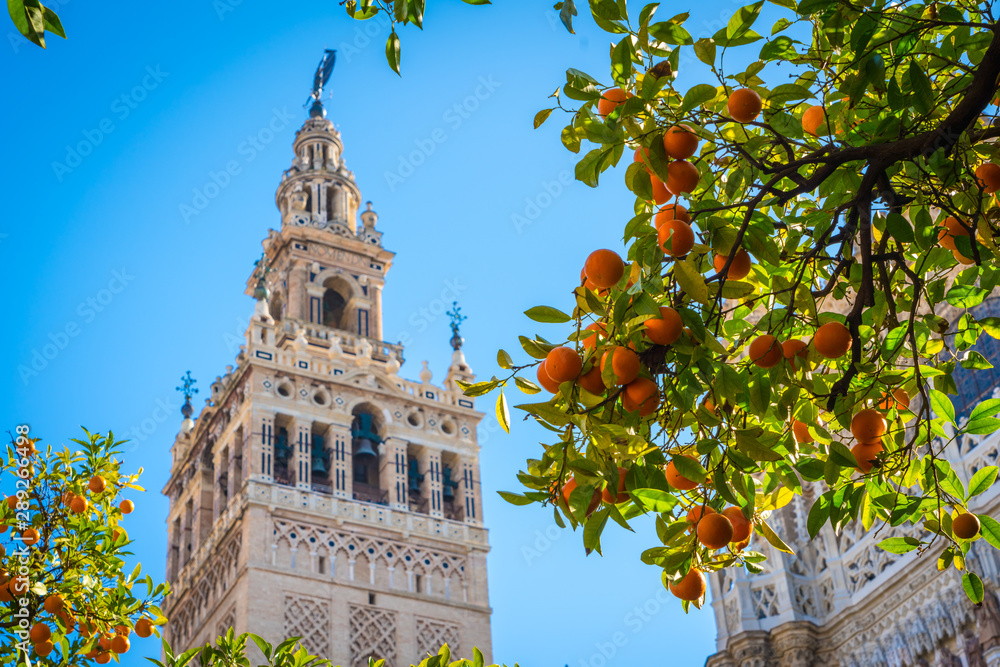
The city pulsed with creative energy. The Ateneo de Sevilla served as an intellectual hub, while numerous literary magazines and cultural publications created a vibrant ecosystem for new ideas. Seville had become a meeting point for artists, intellectuals, and writers who were reimagining Spanish culture while remaining deeply connected to their Andalusian roots.
Key figures in Seville’s cultural scene, including poet and editor Ignacio Sánchez Mejías (who would later be immortalized in Lorca’s “Lament for Ignacio Sánchez Mejías”) and painter Diego Gómez, created an environment where innovation and tradition could coexist and cross-pollinate. It was this unique atmosphere that drew the young poets from Madrid and other parts of Spain.
The Góngora Connection:
The year 1927 marked the 300th anniversary of Luis de Góngora’s death—a poet who had been largely overlooked or misunderstood by previous generations. The young poets saw in Góngora not just a difficult Baroque writer, but a kindred spirit: an artistic revolutionary who had challenged poetic conventions and created a new language for expressing complex realities.
Seville, with its own Baroque soul evident in its architecture and traditions, provided the perfect setting to re-evaluate Góngora’s legacy. The city’s ornate churches, its elaborate Holy Week processions, and its love of linguistic ornamentation mirrored Góngora’s own aesthetic principles.
The Protagonists: A Constellation of Literary Stars
The gathering brought together an extraordinary array of talent that would define Spanish poetry for generations. Among the prominent figures who traveled to Seville were:
Federico García Lorca:
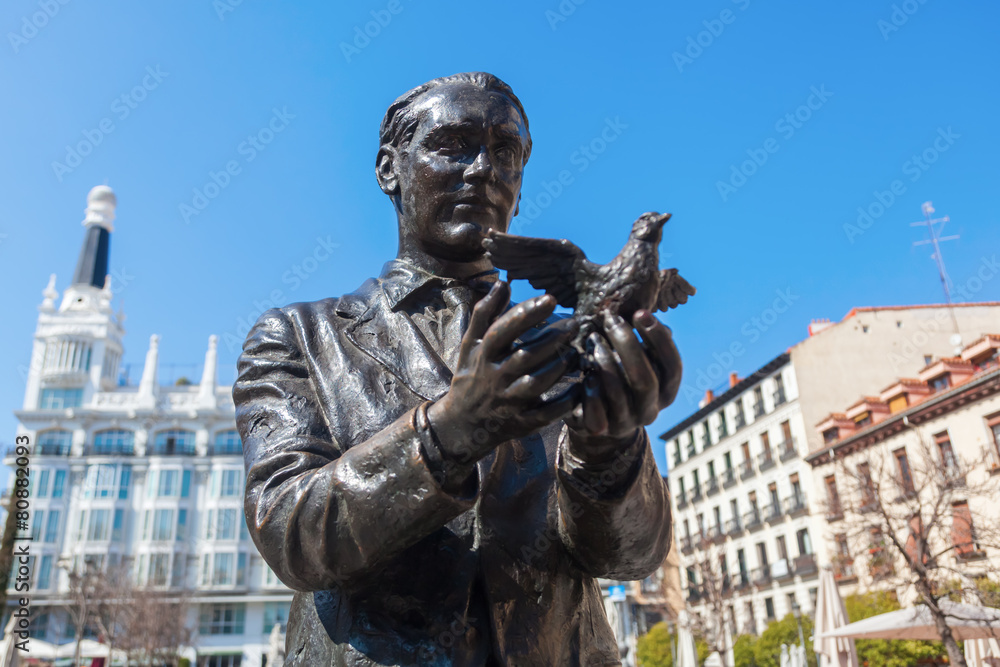
Already gaining recognition for his “Romancero Gitano,” Lorca found in Andalusia the deep, dark wellspring of inspiration that would fuel his greatest works. His connection to Seville was particularly profound, as he understood intuitively the city’s duality—its bright surfaces and dark undercurrents, its celebration of life and intimacy with death.
Rafael Alberti:
The poet from Puerto de Santa María arrived in Seville as both an admirer and critic of Andalusian traditions. His sharp eye and innovative spirit would find rich material in Seville’s contrasts—the ancient and the modern, the sacred and the profane.
Vicente Aleixandre:
Though less directly connected to Andalusian themes, Aleixandre’s surrealist sensibilities found unexpected resonance in Seville’s dreamlike atmosphere and its blurring of reality and fantasy.
Dámaso Alonso and Jorge Guillén:
These more scholarly poets brought their deep knowledge of Spanish literary tradition to the gathering, helping to frame the re-evaluation of Góngora within a broader historical context.
Luis Cernuda:
The young Sevillian poet found himself hosting his illustrious colleagues in his native city, a experience that would profoundly influence his developing poetic voice and his complex relationship with his homeland.
Other significant participants included Pedro Salinas, Gerardo Diego, and Manuel Altolaguirre, creating a critical mass of creative energy that would make the days in Seville particularly intense and productive.
The Gathering Unfolds: Three Days That Changed Spanish Poetry
The events of December 1927 unfolded across multiple venues in Seville, creating a rich tapestry of formal presentations, spontaneous conversations, and shared discoveries.
Day 1: The Academic Foundation
The gathering began with more formal presentations at the Ateneo de Sevilla, where scholars and poets presented papers re-evaluating Góngora’s legacy. Dámaso Alonso’s groundbreaking analysis of Góngora’s “Soledades” particularly stood out, offering a key to understanding the Baroque poet’s complex imagery and syntax.
What made these academic sessions remarkable was how they quickly spilled beyond their formal boundaries. The poets argued, interrupted each other, and frequently broke into passionate debates that continued in nearby cafes and taverns.
Day 2: Immersion in Sevilla’s Soul
The second day saw the poets immersing themselves in Seville’s living culture. They attended flamenco performances in the working-class neighborhoods of Triana and La Macarena, where Lorca in particular felt the connection between cante jondo’s raw emotion and the poetic principles they were discussing.
A visit to the Hospital de la Caridad, with its stunning Baroque artwork depicting themes of death and redemption, made a deep impression on the group. The intense Andalusian approach to these universal themes—so different from the more intellectualized treatment in other parts of Europe—resonated powerfully with the poets’ own concerns.
Day 3: Synthesis and Celebration
The final day saw the various threads of the gathering come together in what participants would later describe as moments of creative epiphany. In the gardens of the Alcázar, surrounded by the perfect synthesis of Moorish, Christian, and Renaissance influences, the poets read their own work alongside Góngora’s, finding surprising connections across the centuries.
That evening, at a farewell dinner in a traditional sevillano restaurant, the boundaries between past and present, between academic study and creative practice, between Castilian formalism and Andalusian spontaneity, seemed to dissolve completely.
The Creative Aftermath: How Seville Transformed Their Poetry
The Seville gathering had immediate and lasting effects on the poets’ work, both individually and collectively.
Lorca’s Deepened Andalusian Vision:
The days in Seville confirmed and deepened Lorca’s connection to Andalusia’s “black sounds,” as he called them. His subsequent work, particularly “Poeta en Nueva York,” carries echoes of the contrasts he experienced in Seville—between surface beauty and underlying tragedy, between formal tradition and explosive emotion.
Alberti’s Architectural Poetry:
The city’s physical beauty, particularly its Baroque architecture, inspired Albertia to explore more structured, formal poetry while maintaining his avant-garde sensibility. His “Sobre los ángeles,” written shortly after the gathering, shows the influence of Seville’s religious imagery and its vertical aspiration toward the divine.
Cernuda’s Complicated Homeland:
For the Sevillian poet Luis Cernuda, hosting his colleagues provided both validation and tension. He saw his city through their eyes, gaining new appreciation for its beauty while becoming more acutely aware of its limitations and contradictions. This dual vision would characterize his relationship with Andalusia throughout his career.
The Collective Legacy:
Perhaps most importantly, the gathering solidified the Generation of ’27 as a coherent movement with shared aesthetic principles. Their joint “rediscovery” of Góngora gave them a historical foundation for their own experimentalism, while their immersion in Andalusian culture provided emotional depth and authenticity.
The Enduring Magic: Why the 1927 Gathering Still Matters
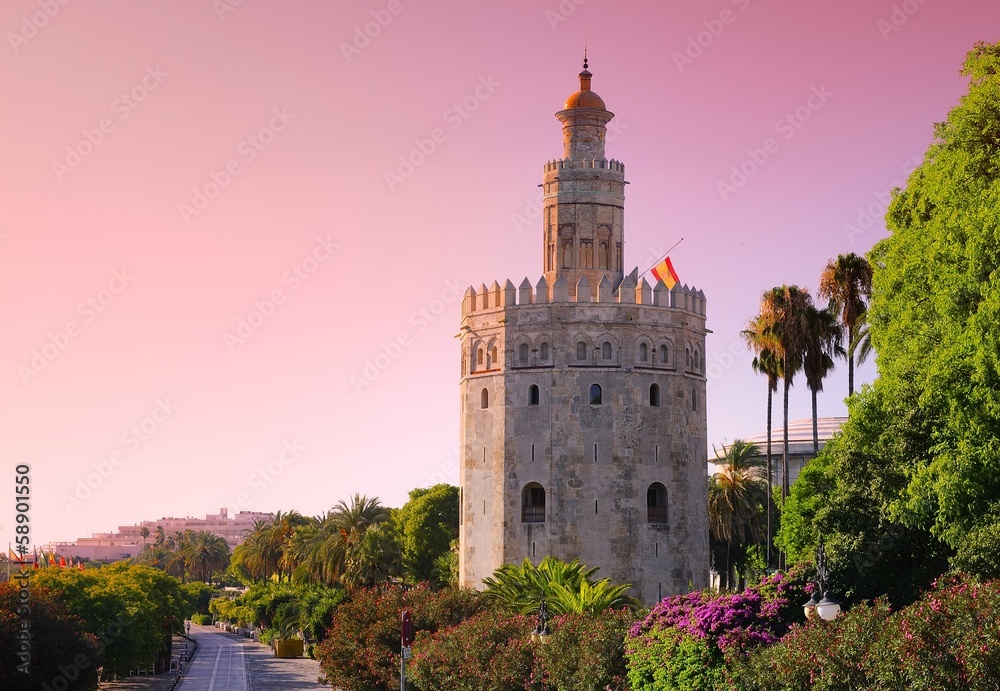
A century later, the Seville gathering remains a touchstone for understanding Spanish poetry and the enduring power of place in artistic creation.
Seville as Muse:
The city proved to be more than just a venue—it became an active participant in the poetic revolution. Its light, its architecture, its music, and its particular way of being provided what Lorca would call “duende”—that mysterious power that gives art its emotional authenticity.
The Andalusian Influence on Spanish Modernism:
The gathering demonstrated how Andalusia’s particular cultural traditions—often dismissed as folkloric or provincial—could nourish and transform the most sophisticated avant-garde movements. The poets discovered that the road to modernity didn’t lead away from tradition, but through it.
A Model for Cultural Dialogue:
The 1927 meeting stands as a powerful example of how creative communities can form across geographical and temperamental differences. The dialogue between Madrid-based poets and Andalusian traditions, between scholarly approaches and spontaneous creation, generated energy that fueled Spanish poetry for years to come.
Walking in Their Footsteps: The Sevilla They Experienced
For contemporary visitors interested in retracing the poets’ steps, several locations still resonate with the spirit of that historic gathering:
The Ateneo de Sevilla:
Though much changed, this intellectual hub where the formal sessions took place remains a center of Seville’s cultural life.
The Alcázar Gardens:
The same patios and gardens that inspired the poets continue to offer visitors moments of tranquility and beauty, their Moorish designs creating the same play of light and shadow that captivated the literary visitors.
The Streets of Santa Cruz:
The narrow, winding streets of this old Jewish quarter retain the intimate, almost secretive atmosphere that the poets would have experienced during their nocturnal wanderings.
Traditional Tabernas:
Establishments like El Rinconcillo, which existed in 1927 and still operates today, offer a taste of the Andalusian culture that so captivated the visiting poets.
Conclusion: The Eternal Conversation Between Place and Poetry
The 1927 gathering in Seville represents one of those rare moments when time, place, and talent align to create something extraordinary. The city didn’t just host the poets—it entered into dialogue with them, challenging their assumptions, expanding their sensibilities, and leaving its mark on their work.
What makes this event particularly significant is how it demonstrates the two-way street of cultural influence. Just as the poets came to Seville to rediscover Góngora, they found themselves rediscovering Andalusia—and through Andalusia, they discovered new possibilities for Spanish poetry itself.
The light of Seville, its particular way of blending joy and tragedy, its deep cultural memory, and its living traditions all found their way into the work of the Generation of ’27, helping to create some of the most enduring poetry in the Spanish language. A century later, the echoes of their conversations in Sevillian patios and cafes still whisper through the city’s streets, a permanent reminder of when Spanish poetry’s greatest lights gathered in the south and found both their past and their future.